







Behind the Scenes: How a Home Fragrance is Born
The art of olfactory creation
Creating home fragrances is not merely a technical process: it is an art form that blends inspiration, culture, experience, and sensitivity. At the heart of this art is the “nose”, the perfumer, a professional and creative figure who transforms abstract intuitions into concrete scents, capable of evoking memories, emotions, and atmospheres. The creative process begins with an idea, a theme, a suggestion. It always starts with a question: what feeling do I want this fragrance to convey? Relaxation, intimacy, energy, purity? This answer guides all the work. The perfumer envisions an olfactory journey and builds it starting from the top notes, often citrusy or green, which provide the initial impact. These are followed by the heart notes, floral, spicy, or aromatic, which constitute the “emotional message” of the fragrance. Finally, the base notes, often woody, amber, or musky, fix the fragrance in the air and in memory. Every home fragrance is like a symphony: harmony, intensity, and persistence must coexist. The perfumer works on small variations, testing hundreds of combinations, always seeking the right balance. It is a slow process, made up of trials, errors, intuitions, and waiting. In particular, home fragrances must have uniform diffusion, lasting hold, and consistent evolution. They must envelop the environment, becoming part of the home's identity without overpowering it. Ultimately, what the perfumer creates is a true sensory experience, transforming a physical space into an emotional refuge. Scent is not just something you smell: it is something you live.The selection of raw materials
At the heart of creating home fragrances lies a fundamental stage: the selection of raw materials. Every perfume is born from the careful choice of ingredients that, alone or combined, can give life to an evocative, persistent, and quality composition. The olfactory world is divided into two broad categories: natural ingredients and synthetic ingredients. The former include essential oils extracted from plants, flowers, fruits, resins, and spices. Iconic examples include lavender, cedarwood, patchouli, lemon, and bergamot. These ingredients offer authenticity and benefits also related to aromatherapy and well-being. Natural notes carry with them stories and traditions, making each home fragrance even more intimate. Synthetic ingredients should not be demonized: they allow perfumers to explore new olfactory nuances, often impossible to obtain in nature, and offer greater stability and longevity. Moreover, they are essential for replicating complex accords or protecting us from overly aggressive natural allergens. Selection is based on rigorous criteria: purity, sustainability, traceability, and the ability to interact with other raw materials. Companies that, like Oniusa Venezia, aim for excellence, choose certified suppliers, control batches, and test each component not only for its olfactory performance but also for its safety of use in domestic environments. The creation of home fragrances therefore requires a scientific, ethical, and creative approach. To achieve a perfect blend, each raw material is dosed and mixed considering its intensity, its evolution over time, and its ability to harmonize in an environment.The composition process
Once the perfumer has gathered all the selected raw materials, the real magic begins: the composition of the fragrance. This stage represents the point where creativity meets chemical precision, and each ingredient finds its place in the olfactory pyramid. It starts with building the formula, where each note is weighed to the milligram. Even a minimal variation can alter the final result. The goal is harmony, balance, but also originality: every home fragrance must be recognizable, coherent, and memorable. The composition is developed in the laboratory. Perfumers use high-precision instruments to mix the essences, but often their main “technology” remains their nose. The mixture is then left to mature in specific containers. This resting period can vary from two weeks to several months, depending on the complexity of the fragrance. It is a crucial step, as it allows the molecules to blend, stabilize, and enrich each other. After maturation, the fragrance is filtered and subjected to new olfactory tests. At this stage, tests are also carried out on real media: blotter paper, sticks, spray bottles, diffusers. The fragrance must maintain consistency and performance across all chosen media for the home line. When the perfumer approves the final result, the olfactory signature is born. A scent that envelops the space, not just to decorate it, but to welcome us. The transition from formula to final product is a ritual of precision, aesthetics, and sensitivity, which once again confirms how home fragrances are small, invisible, but powerful masterpieces.Fragrance testing and optimization
Before launching a new home fragrance, it is essential to subject it to rigorous testing to ensure product quality and safety. These tests evaluate the fragrance's stability over time, its compatibility with the materials used in diffusers, and its performance in the home environment. Olfactory tests involve panels of experts and consumers who evaluate the fragrance under different conditions. The feedback collected is fundamental for making any necessary modifications to the composition, improving the sensory experience, and meeting customer expectations. In addition, safety tests are carried out to ensure that the fragrance does not cause allergic reactions or irritations. Only after passing all these checks is the fragrance ready to be marketed, offering consumers a high-quality and safe product for daily use.Packaging Design
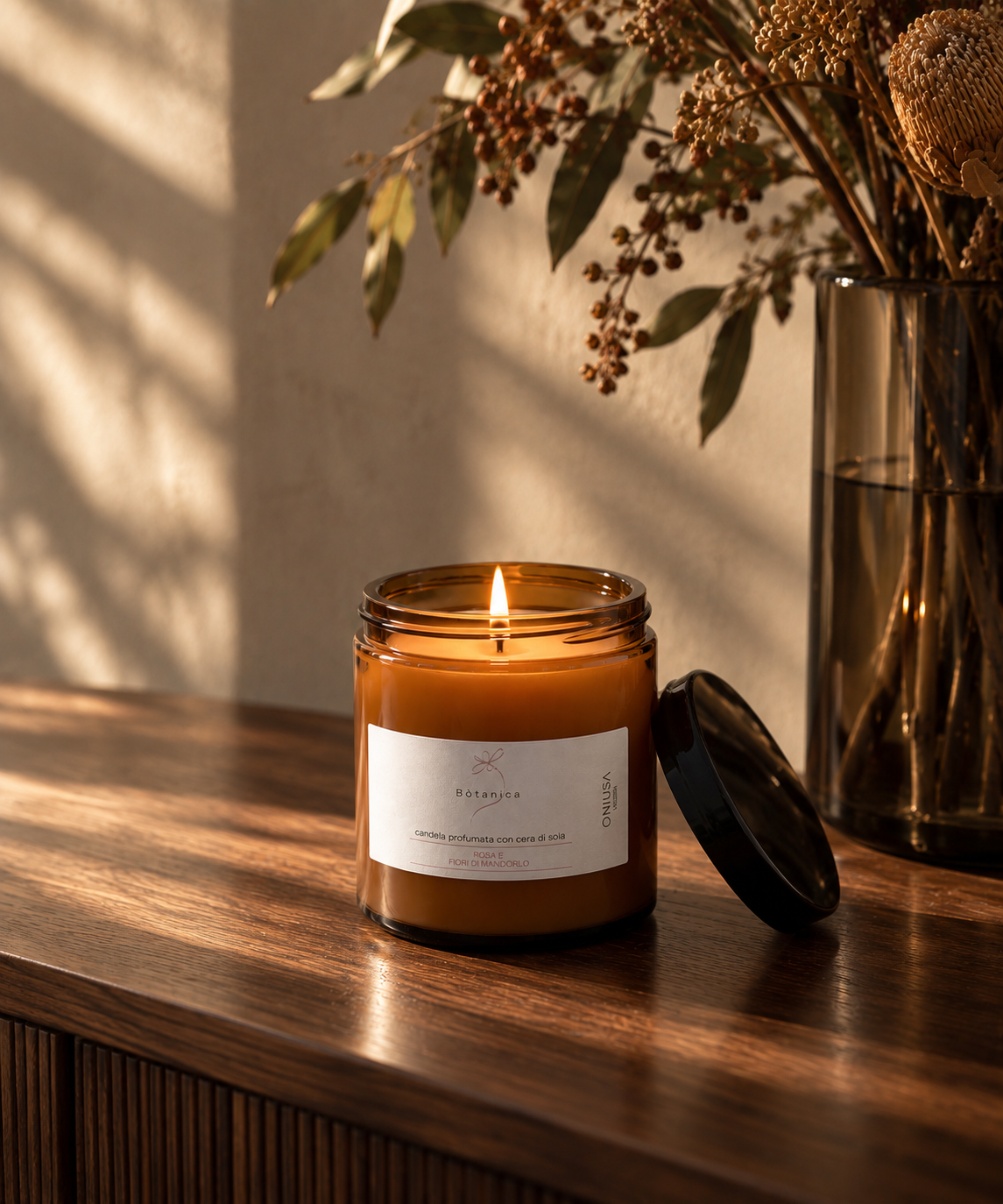
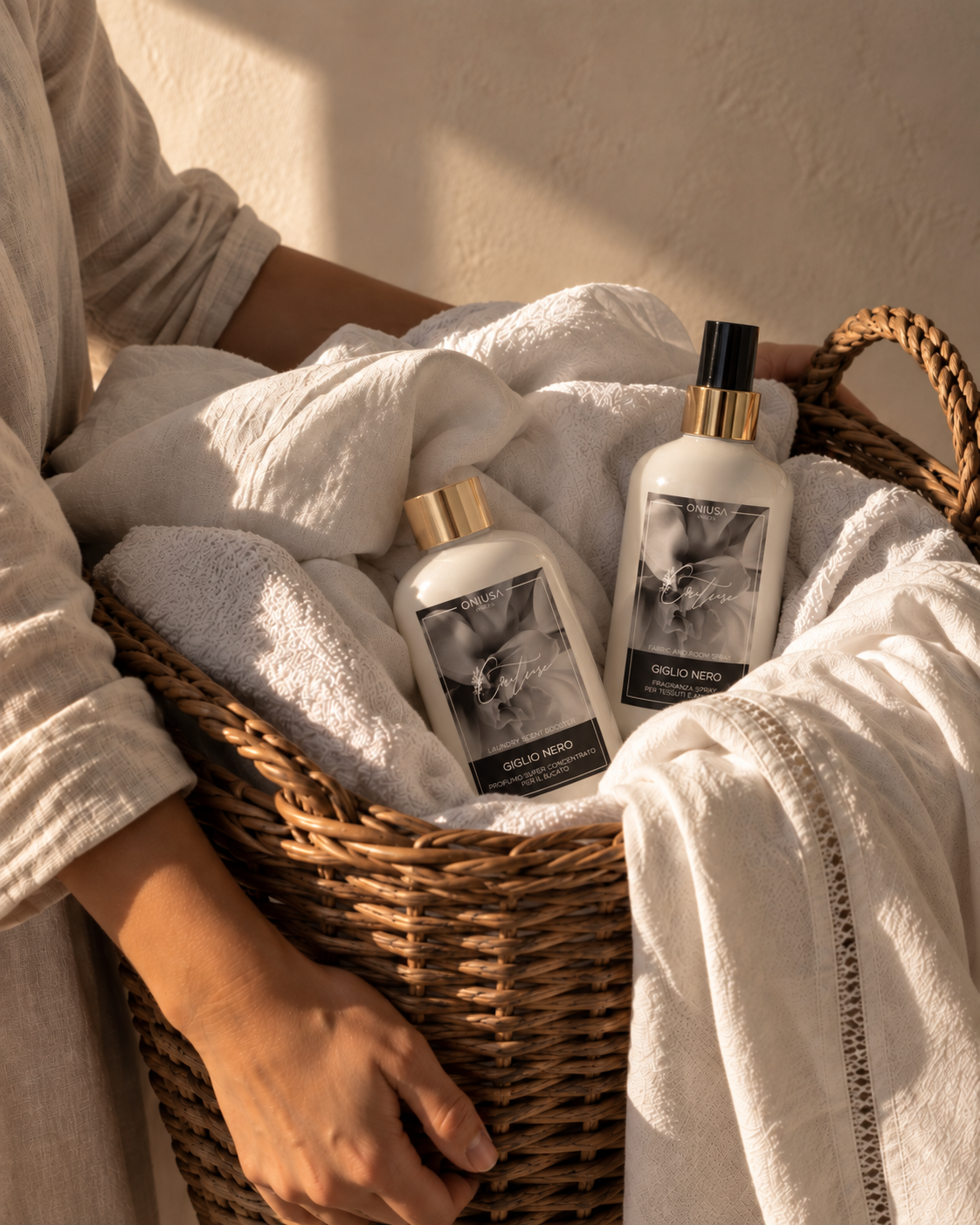
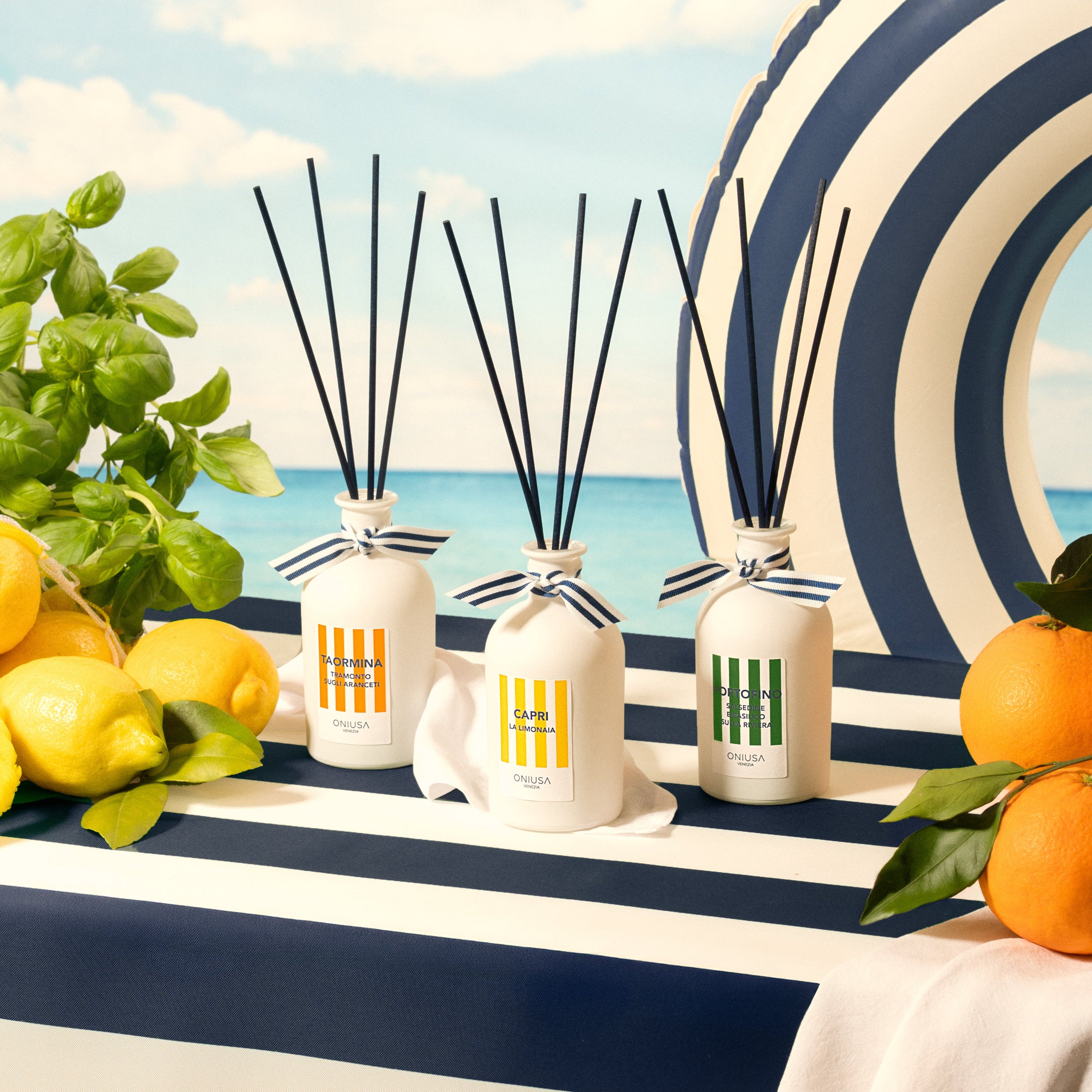
The packaging of home fragrances plays a crucial role in the consumer experience. In addition to protecting the product, the packaging design communicates the brand's identity and the fragrance's character. High-quality materials, elegant shapes, and refined details contribute to creating a product that is also a decorative element for the home. The design process begins with defining the visual concept, which must be consistent with the fragrance and the target audience. Colors, materials, and finishes are chosen to evoke the olfactory sensations of the fragrance. For example, a fresh, citrusy fragrance might be presented in a transparent bottle with colorful details, while a warm, woody fragrance might have dark glass packaging with gold or wood details, evoking elegance and depth. Home fragrance packaging must not only be aesthetically pleasing but also functional. It must protect the olfactory composition from light, air, and humidity to preserve its quality over time. The diffusion system is also carefully chosen: porous wooden sticks, sprays, vaporizers, or bottles to pour into burners. In the case of Oniusa Venezia home fragrances, each package is conceived as an integral part of the daily ritual: the cap, the color of the glass, the texture of the label. Everything contributes to making the act of scenting the home a complete sensory experience, involving not only the sense of smell but also sight and touch. Finally, great attention is paid to the sustainability of the packaging. More and more brands are choosing recyclable materials, reducing plastic consumption, and opting for minimalist and eco-friendly designs, in line with the values of an increasingly aware public.The craftsmanship of Oniusa Venezia
The heart of the creative process for Oniusa Venezia home fragrances is craftsmanship. Each product is born in Italian laboratories where perfumery tradition merges with innovation. The processing is done manually, in small quantities, with meticulous attention to every detail. The process begins with profound olfactory research: inspirations linked to the city of Venice, its gardens, its spices, its secret gardens. From this vision, exclusive blends are developed that tell a story. Manual skill comes into play both in mixing and packaging: labeling, inserting sticks, and sealing are all gestures performed with care and dedication. This approach makes Oniusa home fragrances authentic and unique. Each piece has its own personality, not replicable in industrial series. Even the bottles, often numbered or personalized, speak of exclusivity and artisanal value. Craftsmanship is not just aesthetics or technique: it is philosophy. It means respect for the time needed for a fragrance to mature, respect for the raw material, and for the customer, who receives a product made with love. Choosing Oniusa Venezia means supporting Italian excellence that places quality at the center of every action.Conclusion
Every home fragrance is much more than a scent. It is a creative journey that starts from intuition and passes through expert hands, precious materials, and rigorous tests. Behind every bottle, every stick, every spray of essence, there is a story of passion, knowledge, and inspiration. When we choose a home fragrance, we are actually choosing the emotion we want to experience in our home. Relaxation, energy, concentration, intimacy: each note guides and accompanies us. And with Oniusa Venezia, this sensory journey is enriched with beauty, authenticity, and art. In the world of authenticity and care, Oniusa represents a benchmark: a brand that believes in quality, in respect for time, and in the discreet beauty of small daily gestures. Discover Oniusa Venezia's artisan fragrances and transform your home into a unique sensory experience – oniusavenezia.comFAQ – Frequently Asked Questions
The creation of a home fragrance begins with a well-defined olfactory idea. The perfumer selects natural or synthetic raw materials, combining them according to the olfactory pyramid (top, heart, and base notes). After various trials and a maturation phase, a balanced fragrance is born, ready to be used in diffusers, sprays, or candles.Ideal home fragrances for relaxation include notes of lavender, chamomile, sandalwood, and vanilla. These essences promote a tranquil atmosphere, perfect for evenings or for areas of the home dedicated to rest.The duration of a home fragrance depends on the type of diffuser, the concentration of the composition, and the ventilation of the environment. On average, a quality reed diffuser can last from 4 to 8 weeks.Yes, many home fragrances are designed precisely to stimulate specific sensations: relaxation, energy, concentration. Thanks to aromatherapy, certain essences can act on the limbic system and influence mental and emotional well-being.Yes, Oniusa Venezia pays particular attention to the quality of its raw materials. The use of natural ingredients, essential oils, and artisanal techniques is part of the brand's philosophy, which combines Venetian tradition and olfactory innovation.Discover our home fragrances!
Share
Read more
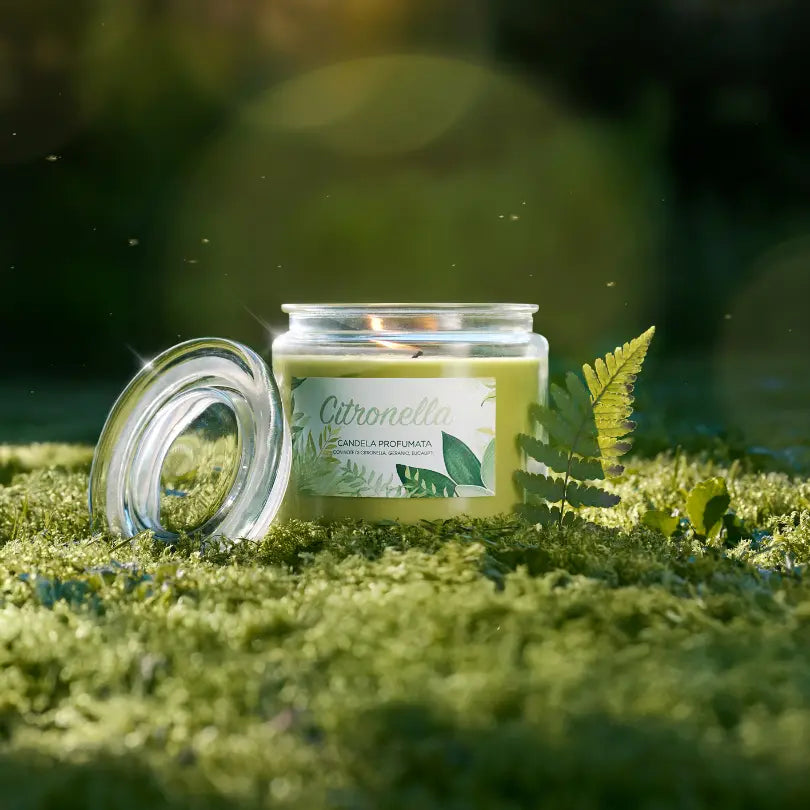
Citronella Candle: your essential ally against insects on summer days
With the arrival of summer comes a desire to spend time outdoors: terraces, gardens, and balconies transform into spaces for relaxation and conviviality. However, this period also brings a recurrin...
Citronella Candle: your essential ally against insects on summer days
With the arrival of summer comes a desire to spend time outdoors: terraces, gardens, and balconies transform into spaces for relaxation and conviviality. However, this period also brings a recurrin...


