






Do air fresheners expire? Here's what you need to know
Room fragrances are an essential part of our daily lives, capable of transforming a normal living space into a refuge of tranquility and well-being. However, despite their charm and their ability to improve our mood, these products have a more or less limited shelf life. Over time, the fragrance can lose intensity, and in some cases can even become unpleasant. Therefore, it is essential to understand how long room fragrances last and how to best preserve these products to ensure they continue to offer maximum benefit.
Lifespan of room fragrances
The lifespan of room fragrances can vary significantly based on several factors such as the type of product, the ingredients used, and storage conditions. Each of these variables contributes to determining how long a fragrance can maintain its freshness and potency.Types of room fragrances
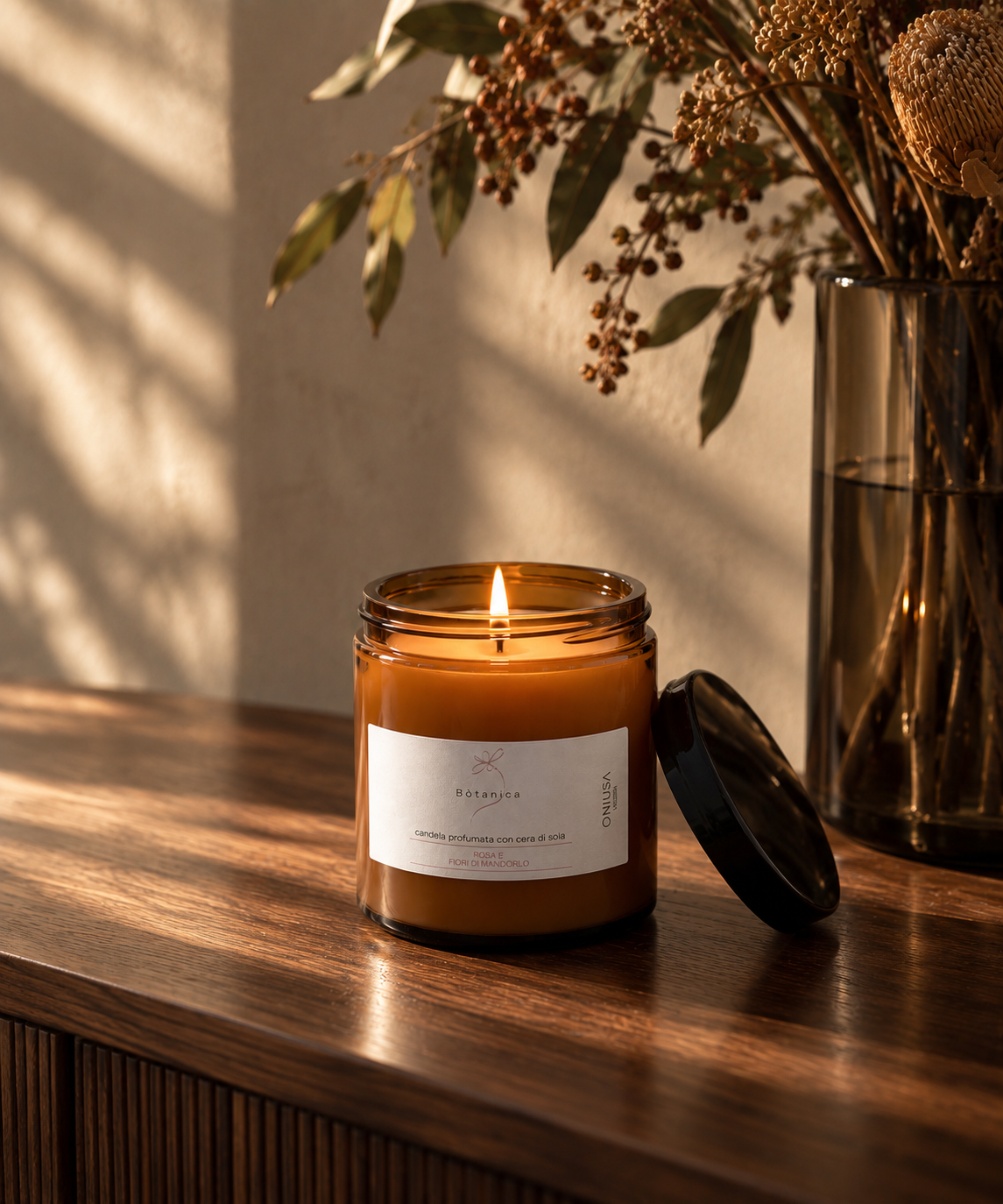
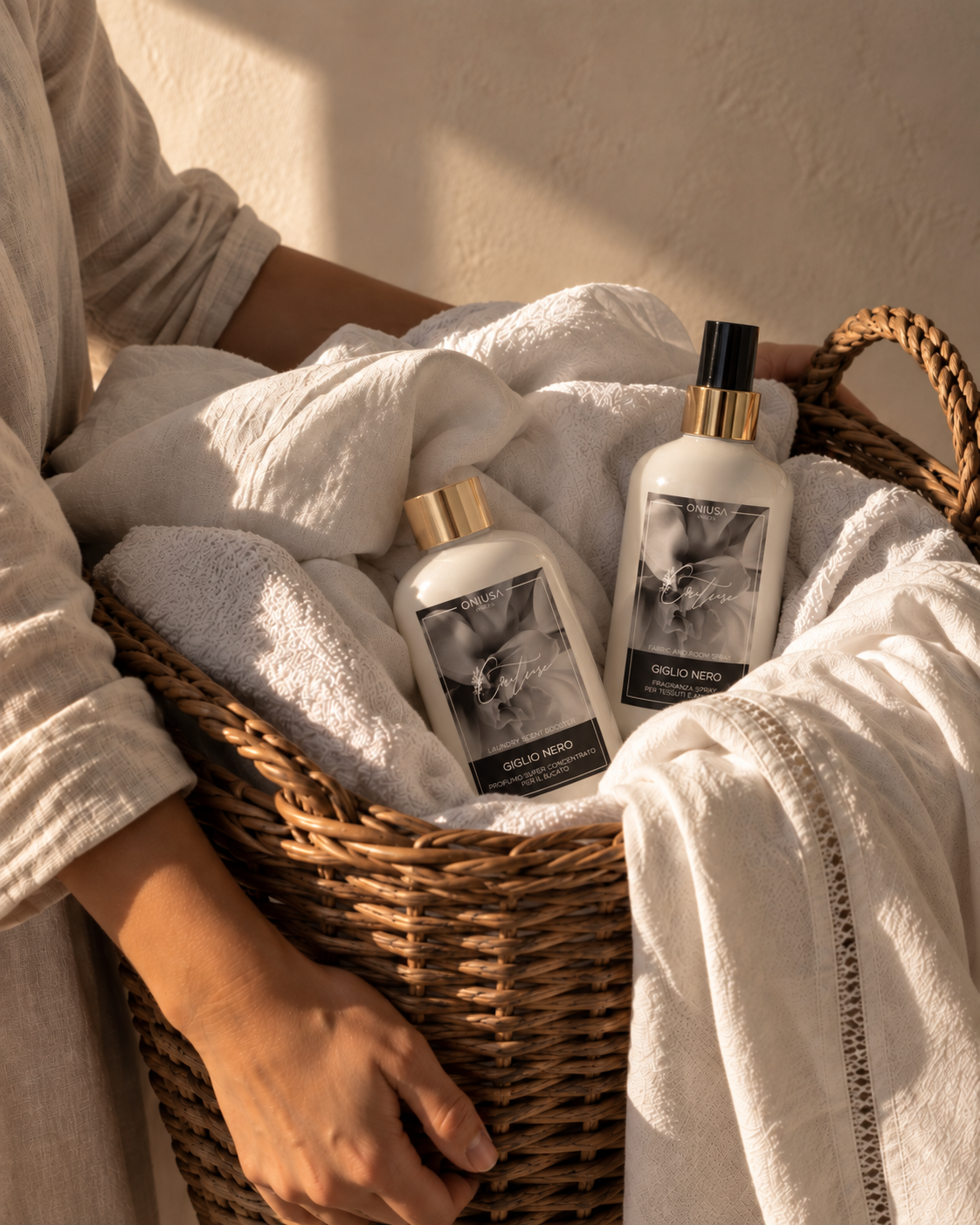
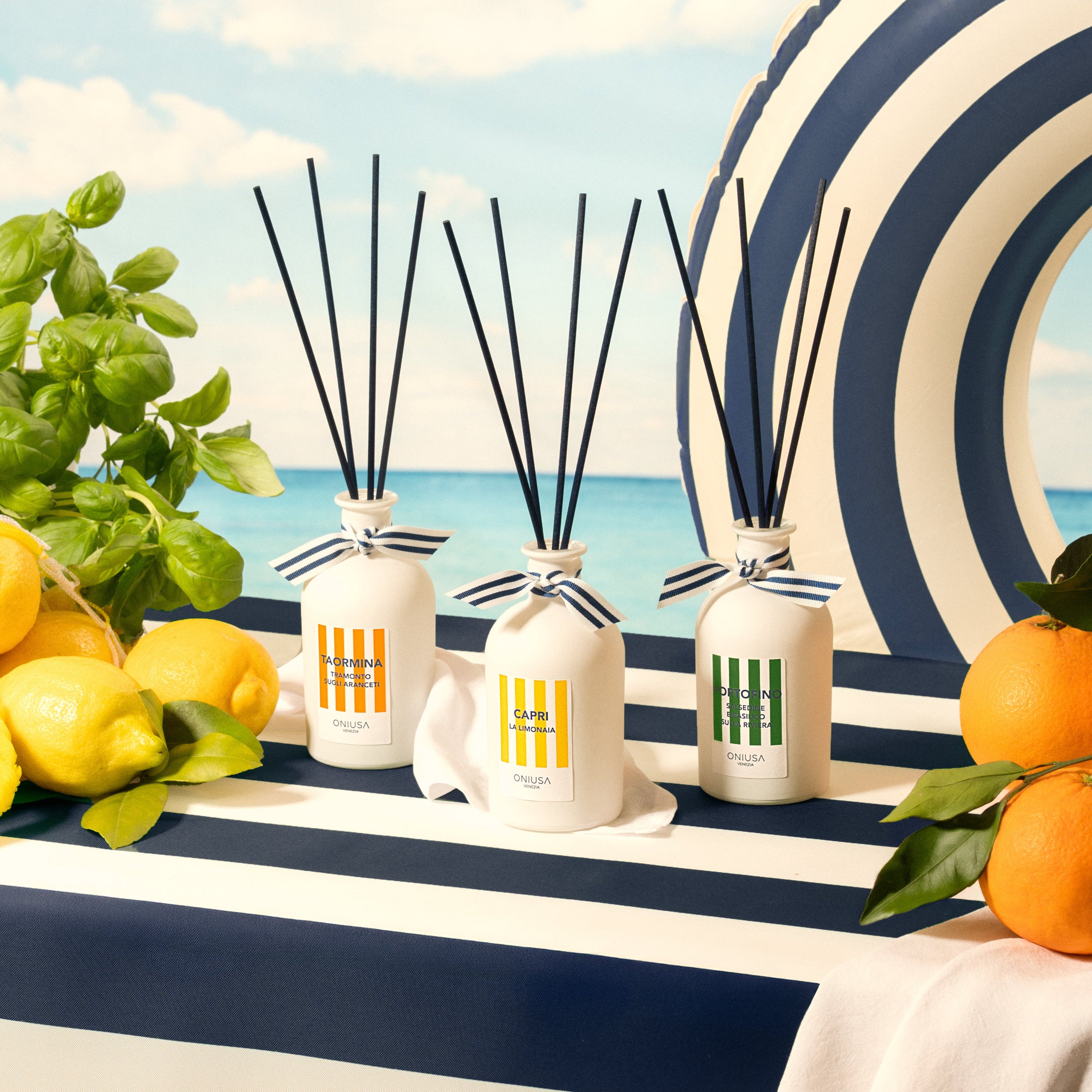
Room fragrances come in various forms, each with a specific lifespan. Reed diffusers, for example, are among the most common and beloved for their simplicity and longevity. They work through a capillary process, where the scented liquid is absorbed by the reeds and gradually released into the air. Generally, a reed diffuser can last from six to twelve months, depending on the size of the container, the type of reeds used, and the composition of the fragrance. Natural wood reeds, for example, can become saturated over time, limiting the effectiveness of fragrance diffusion. Room sprays offer an immediate and intense release of fragrance but tend to evaporate more quickly than other forms of diffusion. Typically, a spray can last from twelve to eighteen months. However, the alcoholic base of many sprays can evaporate, changing the fragrance composition and leading to a potential alteration of the original scent. Scented candles, on the other hand, offer not only a source of light and warmth but also a unique olfactory experience. Their lifespan can vary significantly based on the quality of the wax and essential oils used. If stored correctly, candles can maintain their fragrance for one to two years. It is important to note that prolonged exposure to sunlight or excessive heat can accelerate the deterioration of the essential oils present in the wax. Electronic diffusers, which use electrical energy to diffuse essential oils or fragrances into the air, can last up to two years if well-maintained. The actual duration depends on the frequency of use and the amount of fragrance employed. Finally, room fresheners for small spaces, ideal for areas such as wardrobes, drawers, or cars, are designed to diffuse a delicate and continuous aroma. These products use concentrated fragrances that can maintain their effectiveness for three to six months, depending on the environmental conditions in which they are stored.Ingredients and longevity
The ingredients used in room fragrances play a crucial role in determining their longevity. Natural essential oils, for example, tend to evaporate more quickly than synthetic fragrances but offer a more authentic and rich scent. These oils are subject to degradation due to light and oxidation, which makes them more delicate than synthetic compounds. Synthetic fragrances are often preferred for their long-lasting nature and stability. They withstand adverse environmental conditions better and maintain their intensity over time. However, like any chemical compound, they can lose their effectiveness if exposed to unfavorable conditions for long periods, such as direct sunlight or heat. The fragrance base also influences its lifespan. Alcohol-based perfumes tend to evaporate more quickly, while oil-based ones offer slower and more constant diffusion, prolonging the olfactory experience.Environmental factors
The environment in which room fragrances are stored directly affects their lifespan. Sunlight, for example, is one of the main enemies of fragrances. UV rays can degrade the perfume ingredients, causing an alteration in color and scent. It is therefore essential to store perfumes in a dark place or use containers that protect from light. Temperature is another critical factor. Temperature fluctuations can affect the chemical stability of perfumes. Ideally, perfumes should be stored at a constant temperature of about 20-25°C, away from heat sources such as radiators or windows exposed to the sun. Finally, humidity can negatively affect the chemical composition of perfumes, especially alcohol-based ones. It is advisable to store perfumes in dry environments, away from bathrooms and kitchens, where humidity tends to be higher.Proper storage
To ensure that room fragrances maintain their effectiveness for as long as possible, it is essential to adopt some correct storage practices. Ensuring that containers are tightly closed when not in use is crucial to prevent evaporation and oxidation of the fragrance. Storing perfumes in cool, dark places helps prevent the degradation of active ingredients. In the case of reed diffusers, it is advisable to regularly replace the reeds to maintain a uniform and intense diffusion of the fragrance. Furthermore, it is important to avoid contamination by ensuring that diffusers and sprays are clean and free of impurities that could alter the scent of the perfume.Signs that it's time to replace your room fragrance
Recognizing when a room fragrance has expired is essential to maintaining a pleasant and welcoming atmosphere at home. Changes in aroma are often the first indicator of expiry. The original aroma can "fade", become less intense, or change completely, taking on a more acidic or metallic note. This phenomenon is often caused by the oxidation of essential oils or synthetic fragrances, which alters the chemical composition and, consequently, the perceived odor. Another indicator of expiry is the change in color of the liquid. If the perfume appears darker or cloudier than the original, it is likely that it has started to degrade. This chromatic change is often the result of chemical reactions between the active ingredients and oxygen, or prolonged exposure to light. In reed diffusers, the liquid may also appear more viscous, a sign that the oily components have separated or concentrated. The presence of solid particles at the bottom of the bottle is a clear sign that the perfume has expired. These residues can be the result of ingredients that have separated due to degradation or the growth of microorganisms in non-ideal humidity and temperature conditions. This phenomenon is particularly common in perfumes that contain natural ingredients, which are more susceptible to decomposition. The consistency of the liquid can change over time. In oil-based perfumes, the oil can become denser and stickier, compromising the uniform diffusion of the fragrance. This often happens when the perfume has been stored in non-ideal conditions, such as excessively high or low temperatures.Practical examples
Reed diffusers are among the most susceptible to obvious signs of expiry. The reeds can become saturated with oil, reducing the capacity for absorption and diffusion of the perfume. If you notice that the reeds are no longer diffusing the aroma as they once did, it might be time to replace them or refresh the liquid. For room sprays, alcohol can evaporate over time, altering the chemical composition of the fragrance and, consequently, the scent. If a spray begins to lose its freshness or if the aroma appears altered, it is a sign that the product may have expired. Scented candles, although they have a longer lifespan, can also show signs of expiry. The essential oil in the wax can degrade, altering the scent during combustion. If you notice that the candle emits a different odor or if the wax appears altered, it might be time to replace it.When the fragrance is no longer effective
Despite proper storage, room fragrances do not last forever. It's important to know when it's time to replace them to continue enjoying a pleasant and welcoming atmosphere. The aroma is the first indicator: if the fragrance is no longer perceptible or has acquired an unpleasant odor, it's time to change it. An aroma that no longer reflects the original is a clear sign that the product has exceeded its period of effectiveness. Aesthetic changes, such as an altered color or the presence of sediment, also indicate that the fragrance may no longer be at its best. These changes can be signs of oxidation or degradation of the ingredients, which can affect not only the smell but also the safety of the product. In summary, room fragrances are an important element in creating a welcoming and relaxing atmosphere. However, like all products, they have a limited lifespan. Recognizing the signs of expiry and adopting the right storage practices can help you extend the life of your fragrances, ensuring a pleasant and lasting olfactory experience.Conclusion
Room fragrances are a fundamental element to transform our home into a place of peace and well-being. Their ability to evoke memories and create a welcoming atmosphere makes them indispensable in every living space. However, as we have seen, these products do not last forever. Recognizing the signs of expiry and adopting the right storage practices can help you extend the life of your fragrances, ensuring they continue to offer a quality olfactory experience. When the fragrance loses its freshness, it's not just time to replace it, but also an opportunity to explore new fragrances that can enrich your sensory experience. With the arrival of new seasons and changes in our lives, a new fragrance can be a perfect way to renew the energy of your environment. Discover our selection of unique fragrances on Oniusa Venezia and transform your space into an extraordinary experience every day. Our fragrances, a symbol of all-Italian creativity, elevate the concept of "living well" and are created with state-of-the-art materials to offer you accessible luxury. Whether you prefer fresh and floral notes or warm woody essences, you will surely find a fragrance that suits your style and your home. Oniusa Venezia accompanies you every day, wherever you are, with the promise of quality that lasts over time. Visit our online shop or go to our stores in Spinea and Tivoli to discover the perfect collection for you. Transform the ordinary into extraordinary with Oniusa Venezia – "Everyday, everywhere, with you." Discover the world of Oniusa
Share
Read more

Office air fresheners: how to improve productivity
In the modern workplace, attention to employee well-being and productivity is fundamental. Work environments have become versatile spaces where people spend a significant part of their day. Maintai...

5 Elegant Gift Ideas for a 70-Year-Old Woman
Choosing a gift for a woman who already has everything can seem like a challenge, but finding the right present can turn a simple thought into a meaningful gesture. When it comes to a 70-year-old w...


